Infrastructure & services
The current infrastructure used within the PerMed: T2BA involves several unique technologies and research services across the partner institutions. The research infrastructure was built-up within the large research infrastructure projects (e.g EATRIS-CZ, BBMRI-CZ, CZ-OPENSCREEN, ELIXIR-CZ, NCMG and CZ-BIOIMAGING, or developed by private partners:
Genomics
- HTS qPCR in 1536 format, hybridization platform, NGS, mass spectrometry based DNA analysis
Proteomics
- MALDI-TOF/TOFs, HPLC-MS, qTRAP, qTOF, Orbitrap mass spectrometers
Metabolomics
- GC-TOF, qTRAP, Orbitrap mass spectrometers
Microscopy
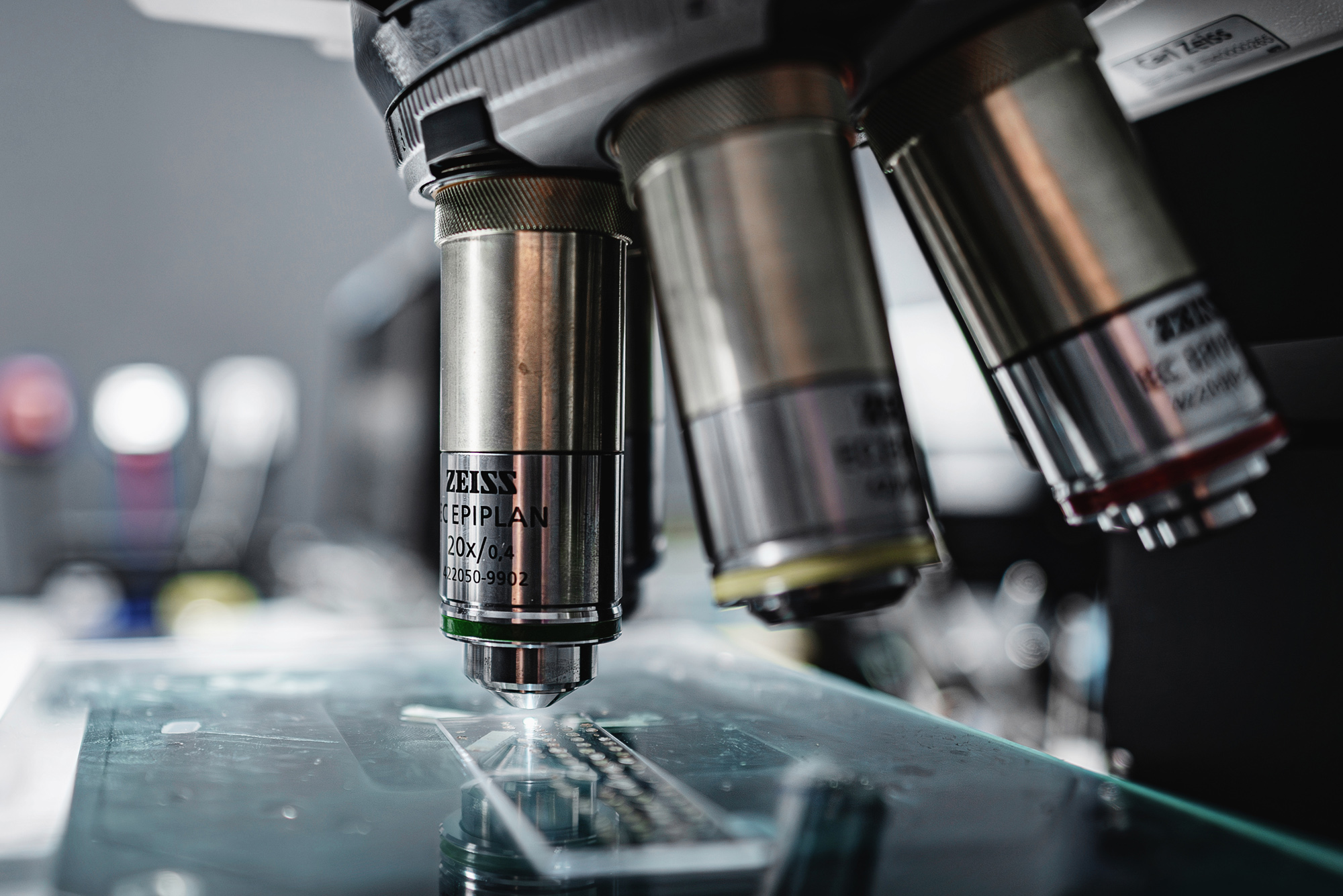
- AFM, Raman microscopy, IR microscopy, confocal spinning disc and laser scanning microscopy, superresolution, PALM, SIM, TIRF, transmission and raster EM)
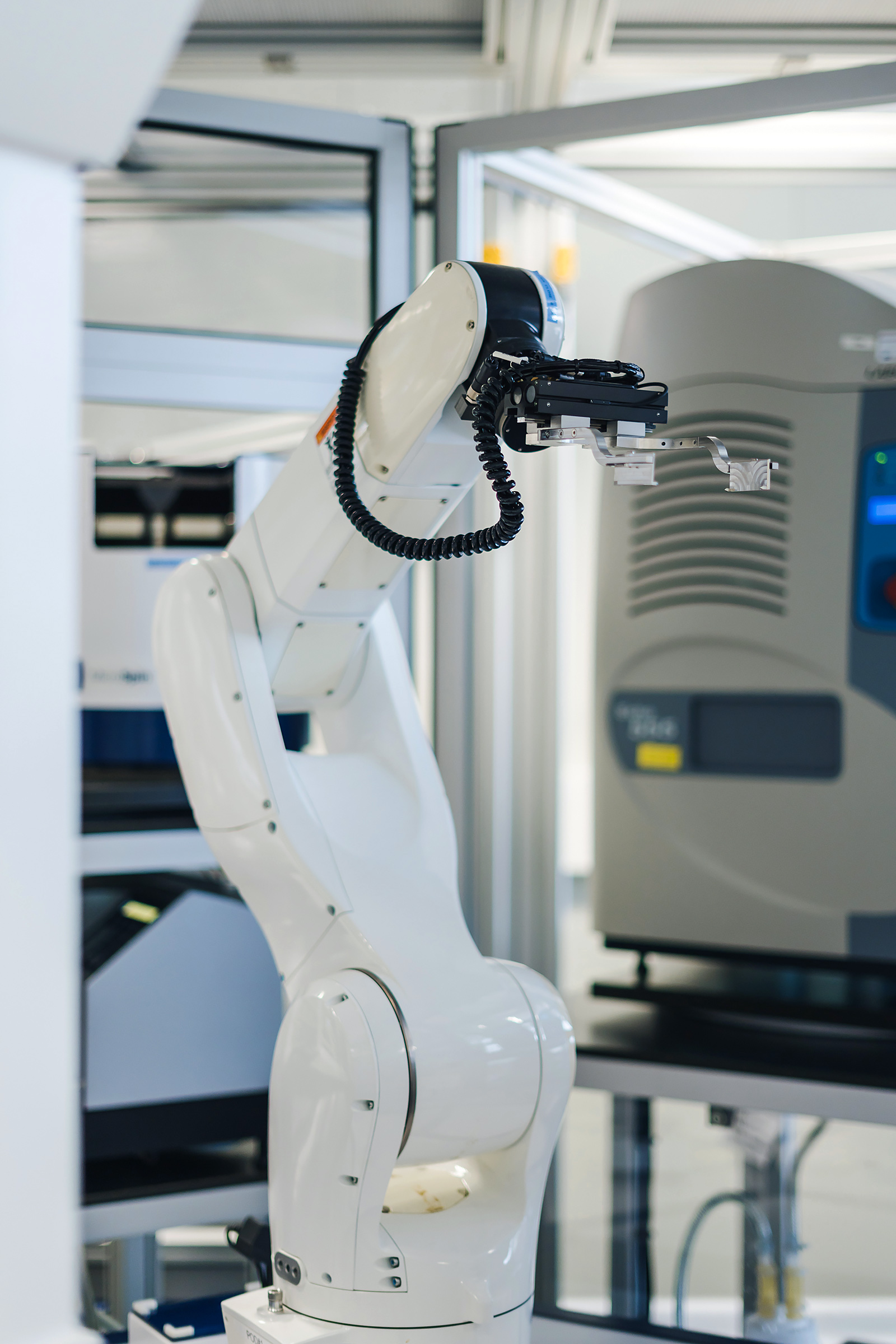
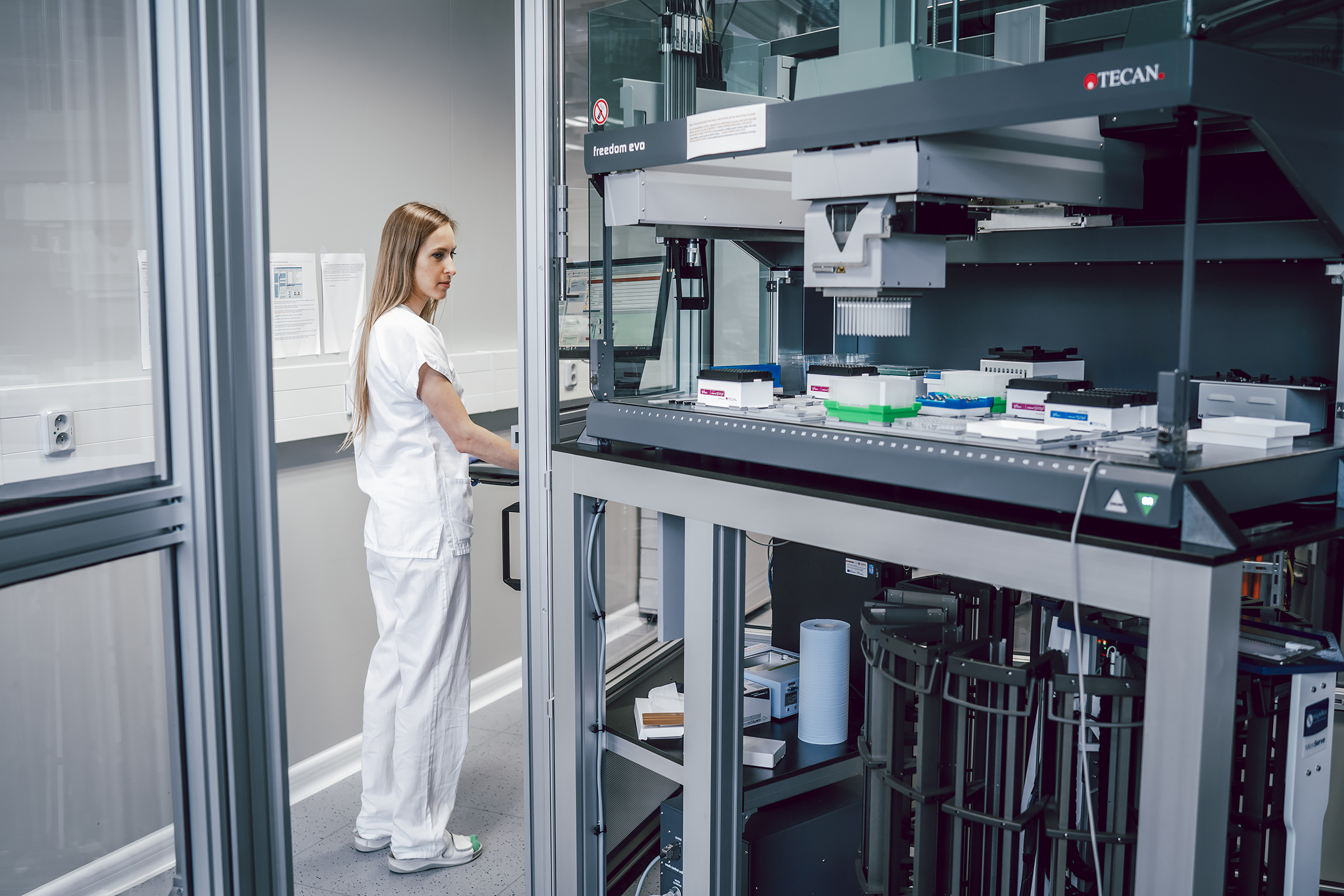
HTS/HCA analysis (compound collection+dispensing, 3-arm robotic system for screening of small molecules in BSL2+/BSL3 and/or hypoxic environment, irradiation, readers: fluorescence, luminesence, radioactivity, absorbance, wide field confocal HCA, mass spectrometry based screening (RapidFire plus qTRAP)
BSL3 laboratories
- Research with major human pathogens
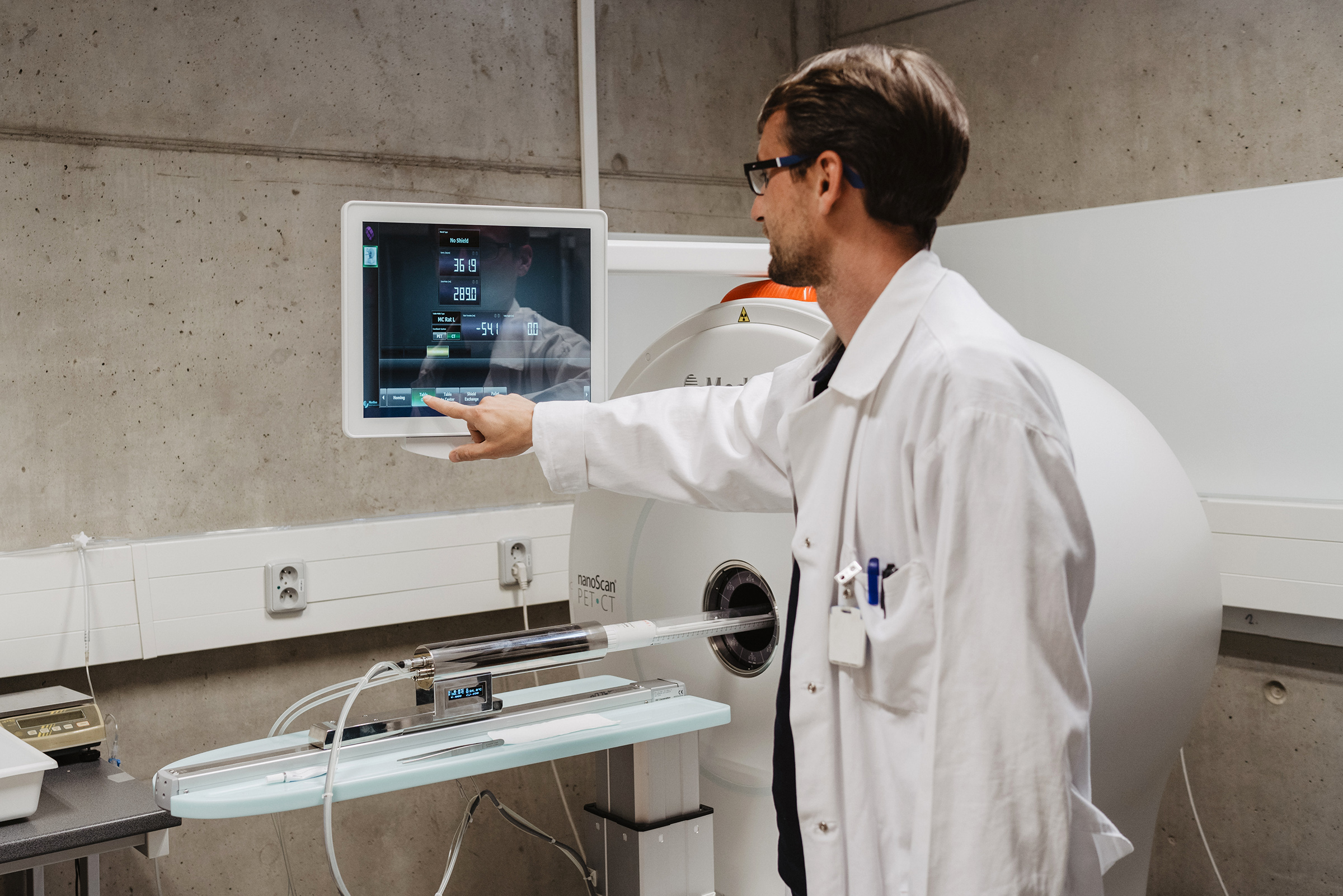
Small animal imaging center
- Optical (fluorescence, luminescence), X-ray, PET/SPECT/CT, ultrasound, access to MRI
Animal facilities and models
- For cancer, genetic, infection, neuro and cardio research using small
and large animals, GLP certified animal studies (toxicology)
Radiochemistry, medicinal, organic, macromolecular, nanoparticle and combinatorial chemistry
Biobank
- >35.000 highly characterized tissue/blood/plasma/bone marrow samples
Cyclotron
With radionuclide production, purification and characterization of tracers for SPECT/PET imaging
Early clinical trials unit
GMP facilities
- For manufacturing of ATMPs (contractual)
Certified clinical diagnostics and testing laboratories
- ISO 17025 and ISO 15189
Scale-up laboratories
- For synthesis of (pre)clinical batches of small molecules


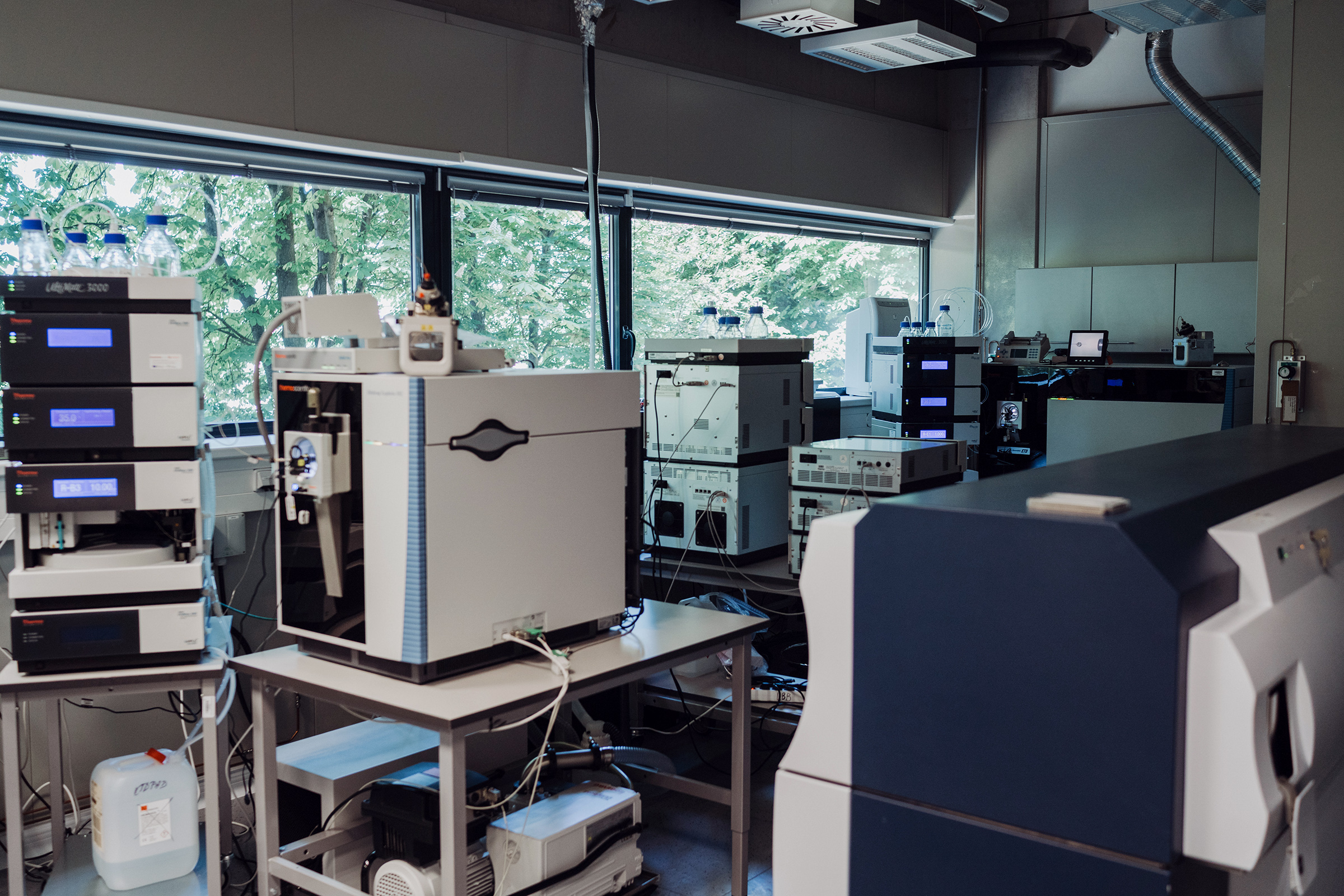
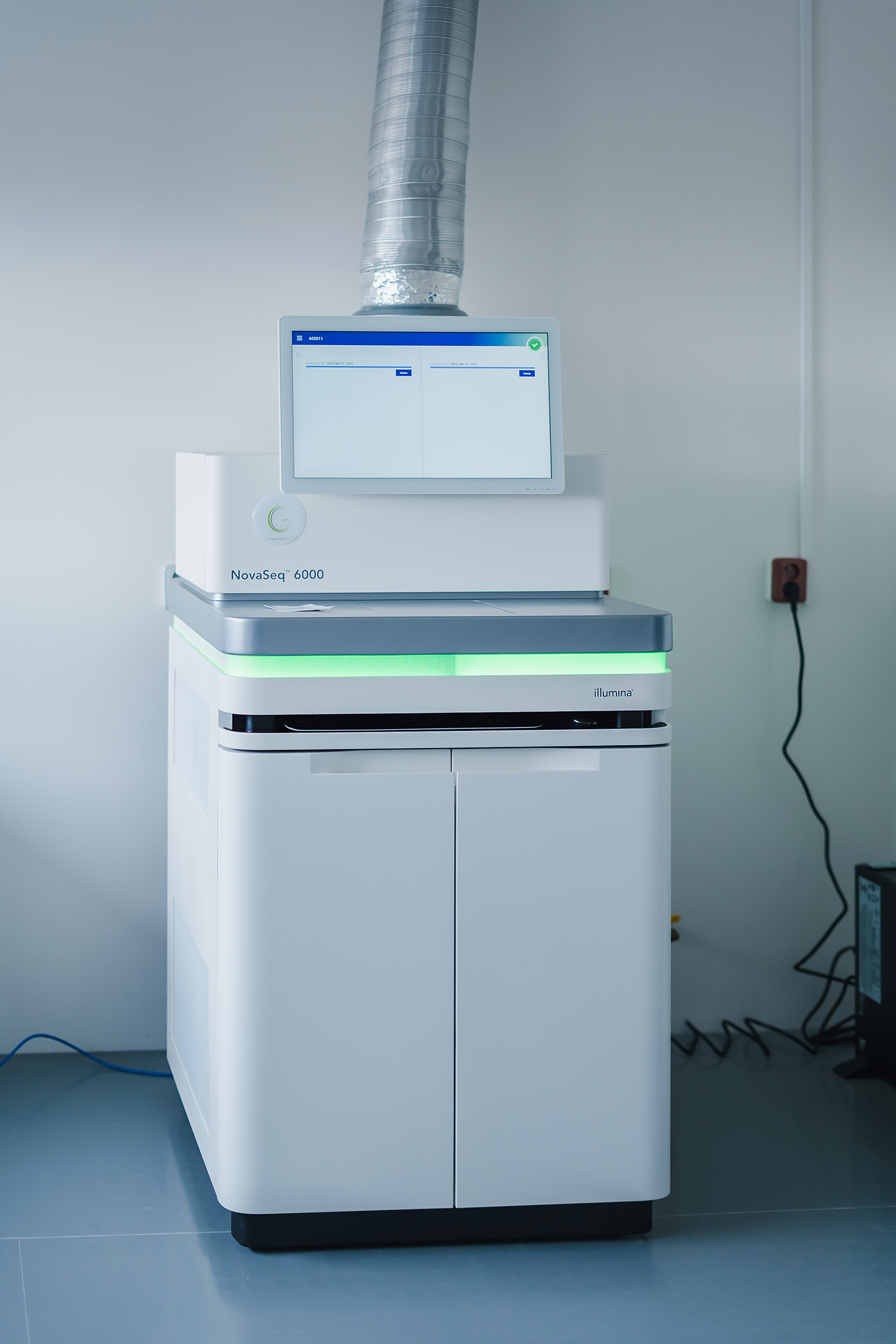
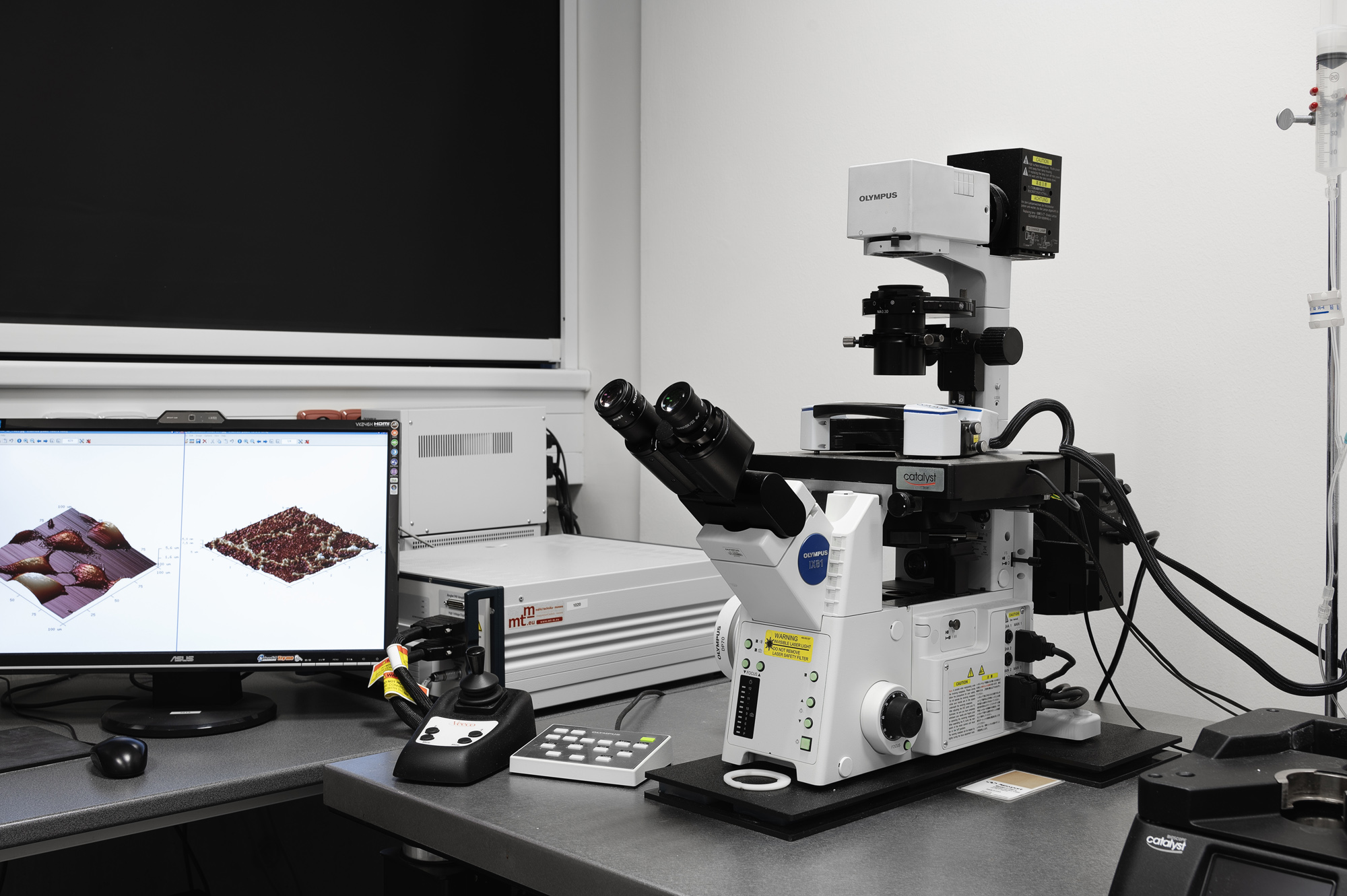
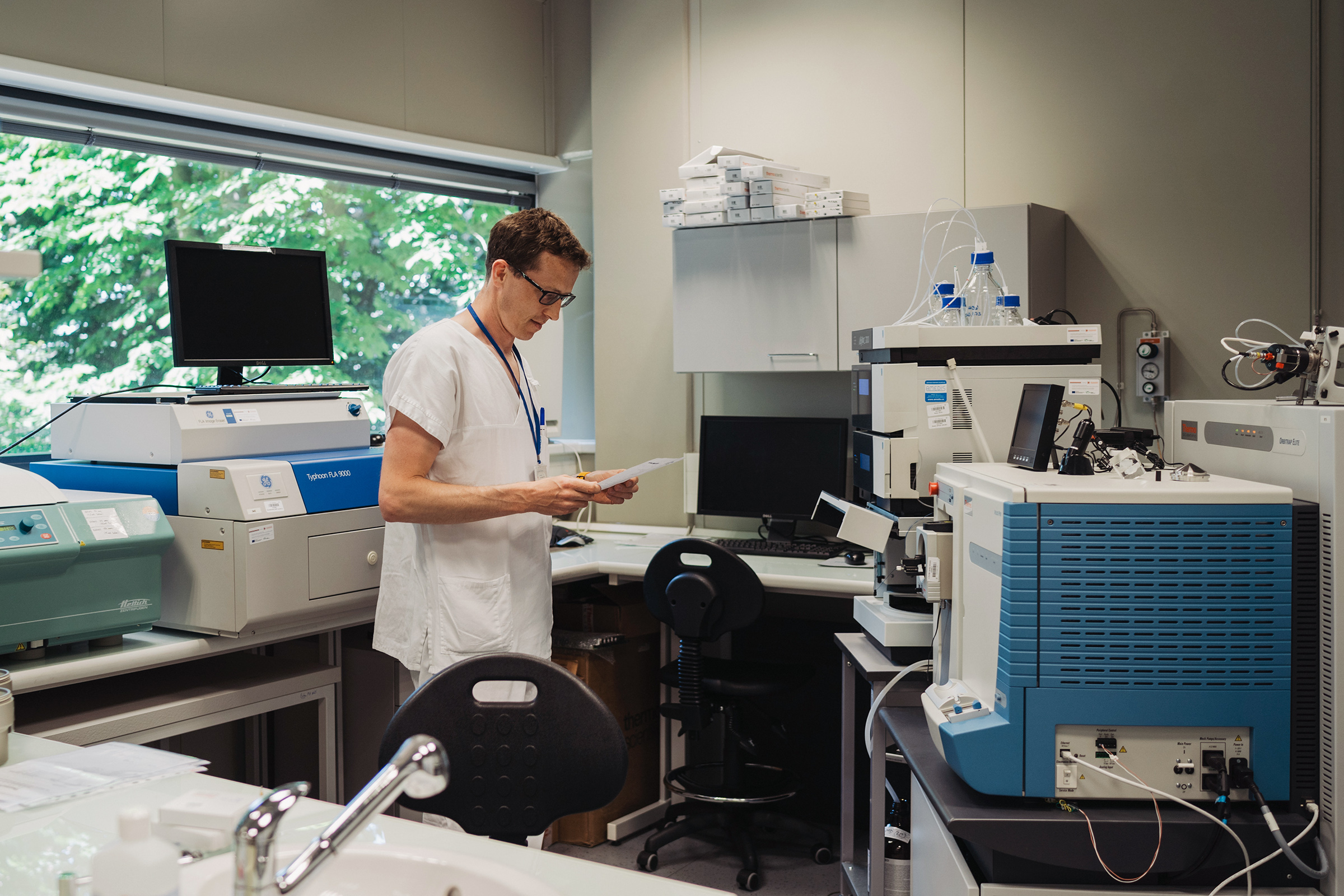
These research facilities are unique regarding cutting-edge equipment, operational experience, accumulated knowledge, introduced standard operating procedures (SOPs), quality assurance and certification where appropriate. Very unique is also the complexity of technologies and equipment concentrated under one (several) roofs, enabling efficient management of complex personalized medicine projects.